Where the 890, 960, and s9+ Fit in iRobot's Lineup
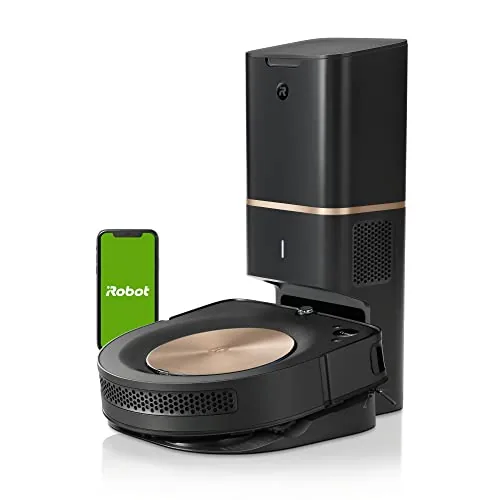
iRobot has sold three distinct navigation generations under the Roomba name, and the 890, 960, and s9+ 9550 each represent a different one. This review covers the pre-j-series models buyers still find discounted; see our Roomba j-series review for the current PrecisionVision generation (j5 through Combo j9+). Older still, the 600 series is covered in our Roomba 600 series guide.
The short version: the 890 uses iRobot's older iAdapt 1.0 navigation, which moves in semi-random diagonal passes rather than mapping the room. The 960 upgrades to iAdapt 2.0 with a localization camera, giving it a real internal map and row-by-row cleaning. The s9+ 9550 is a different tier entirely — a D-shaped flagship with vSLAM mapping and a self-emptying Clean Base, originally priced well above both.
None of these three ships with the obstacle-avoidance camera system the current j-series uses, so none of them reliably avoids pet waste, cables, or shoes the way a j7+ or j9+ does. That single fact should drive the buying decision for pet households more than price.
Older units in this line take the Roomba 1800 or XLife pack; our Roomba battery replacement guide maps each model to the right one.
| Model | Navigation | Shape | Self-empty | Suction tier |
|---|---|---|---|---|
| Roomba 890 | iAdapt 1.0 — random diagonal pattern, no map | Round | No | Standard 2-stage |
| Roomba 960 | iAdapt 2.0 — camera-based mapping, row cleaning | Round | No | Standard 2-stage |
| Roomba s9+ 9550 | vSLAM — full-level mapping, ~230,400 data points/sec | D-shape | Yes, Clean Base | 3-Stage, rated far above 890/960 |
Roomba 890: The Budget Entry Point
The Roomba 890 launched as iRobot's mid-tier model and is now most often found discounted or resold, since it predates the current lineup by close to a decade.
It uses iAdapt 1.0, meaning it does not build or remember a floor plan. It cleans by bouncing off walls and furniture in overlapping diagonal passes, using sensors to detect when a room appears covered. This works reasonably well in small, uncluttered rooms and noticeably worse in large, multi-room homes, where mapped navigation finishes faster and misses less floor.
The 890 has Wi-Fi and app/voice control through Amazon Alexa or Google Assistant, and a full-bin indicator, but no automatic full-bin action and no edge-cleaning mode — both features the 960 adds. At its current discounted price it is a reasonable pick only for a single small room or apartment, not a full home.
Roomba 960: The Mapped-Navigation Upgrade
The Roomba 960 is the 890's direct successor inside the same body style, and the upgrade that matters most is navigation, not suction.
iAdapt 2.0 adds a localization camera that lets the 960 build an actual map of the room as it cleans, moving in straighter, more systematic rows instead of random diagonals. iRobot's own comparison materials describe this as full-level cleaning capability — the 960 can be sent to clean an entire floor in one run and track what it has already covered, which the 890 cannot do reliably.
The 960 also adds edge-cleaning mode and a full-bin action control the 890 lacks. Suction hardware is close to identical between the two models; the real-world cleaning difference comes almost entirely from the smarter navigation covering more floor per run, not from stronger pickup.
Roomba s9+ 9550: The Flagship Before the j-Series
The s9+ 9550 was iRobot's flagship before the j-series replaced it, and it remains the most capable of these three classic models by a wide margin.
Its D-shaped body is built to reach into square corners that a round Roomba cannot, paired with vSLAM navigation that iRobot describes as capturing roughly 230,400 optical data points per second to build a precise full-level map. Suction is rated well above the 890 and 960's standard tier, aimed specifically at deep carpet and pet hair.
The s9+ ships with the Clean Base, which empties the onboard bin into a larger 2.5-liter disposable bag automatically, rated for up to 60 days between bag changes. Battery life runs about 75 minutes per charge, longer than the standard-tier models. What it does not have is the current j-series' obstacle-avoidance camera — a review from The Bot Scout's own j-series coverage found the j7+'s camera-based obstacle detection meaningfully outperforms the s9+'s older sensor suite on cables, shoes, and pet waste, even though the s9+ still leads on raw suction and mapping precision.
Which Classic-Series Roomba Is Worth Buying
For a single small apartment on a tight budget, the 890 is defensible only if the discount is steep — its lack of mapping means longer run times and more missed spots as the space grows.
For most multi-room homes without pets, the 960 is the better value of the two standard-tier models. Mapped navigation alone is worth more than any suction difference between them.
For anyone who wants flagship-tier suction and self-emptying without paying current j-series prices, the s9+ 9550 is the strongest of the three — with the explicit caveat that it will not dodge pet waste or cables as reliably as the newer j7+ or j9+. Compare against current alternatives in our best robot vacuum guide before buying a discontinued model at a price close to a new current-generation unit.
None of these three models are still sold new by iRobot directly; pricing and stock vary by third-party retailer. Confirm the seller and remaining warranty before buying, since a discontinued model bought used carries no manufacturer warranty in most cases. If a used unit ever needs service, our robot vacuum repair guide covers brand-by-brand troubleshooting and battery replacement options.
Bottom Line
The Roomba 890, 960, and s9+ 9550 map onto three different navigation generations, not three points on one price ladder. Skip the 890 unless the discount is extreme and the home is small. Pick the 960 for solid mapped navigation at a lower price than the s9+. Pick the s9+ 9550 for the strongest suction and self-emptying of the three — but budget for the fact that none of them handle pet waste and cable obstacles as well as iRobot's current j-series.
Check current stock and warranty terms before buying a discontinued Roomba — a new j-series model may cost less than expected once resale premiums are factored in.
FAQs
Is the Roomba 960 worth buying over the 890?
Yes, for most multi-room homes. The 960's iAdapt 2.0 mapped navigation covers a floor more completely than the 890's random-pattern iAdapt 1.0, which matters more than their nearly identical suction hardware.
How does the Roomba s9+ 9550 compare to the current j-series?
The s9+ has stronger rated suction and a D-shape for corner cleaning, but it lacks the j-series' camera-based obstacle avoidance, so it handles pet waste, cables, and shoes less reliably than a j7+ or j9+.
Does the Roomba 890 have Wi-Fi and app control?
Yes. The 890 supports Wi-Fi and voice control through Alexa or Google Assistant, but it lacks the 960's edge-cleaning mode and automatic full-bin action.
Can you still buy the Roomba 890, 960, or s9+ 9550 new?
None are sold new directly by iRobot anymore. They turn up through third-party retailers and resellers at discounted prices, so confirm the seller and any remaining warranty before buying.